




Loading article...
Loading article...
Stream/Area:
-
Subject:
-
Paper ID:
IJSREM67519
Volume:
10 |
9 |
Sep 2026
Pages:
1-13
Publication Frequency:
Monthly (12 issues per year)

License:International Journal of Scientific Research in Engineering and Management follows the Creative Commons Attribution 4.0 (CC BY 4.0) License, allowing free use and distribution with proper attribution.
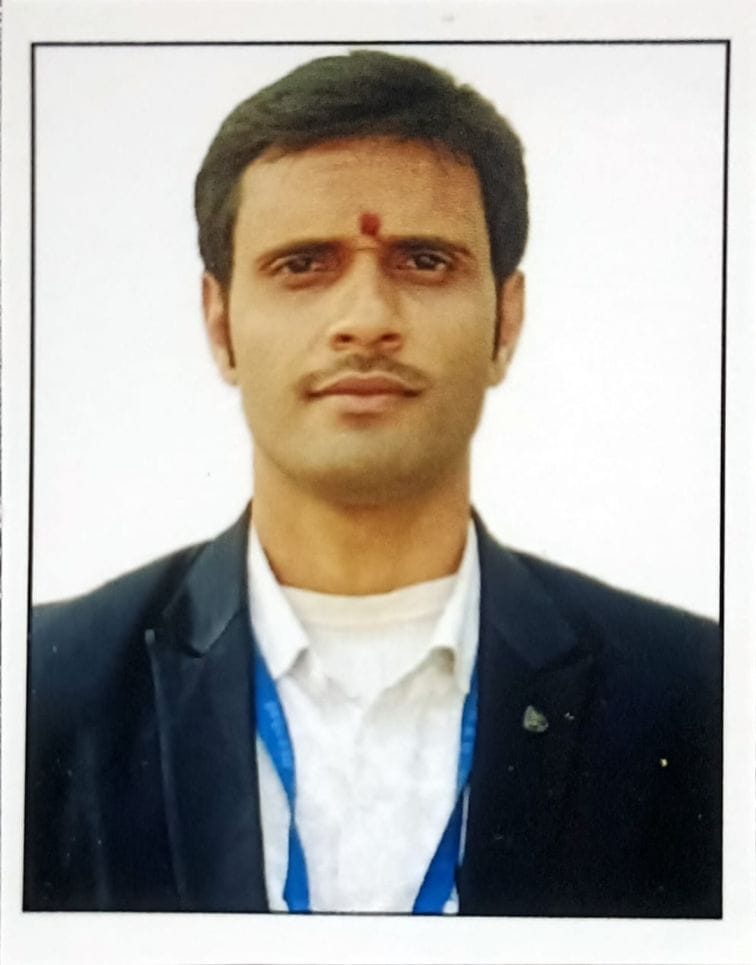
Department of Political Science
(BBMK University, Dhanbad, Jharkhand)
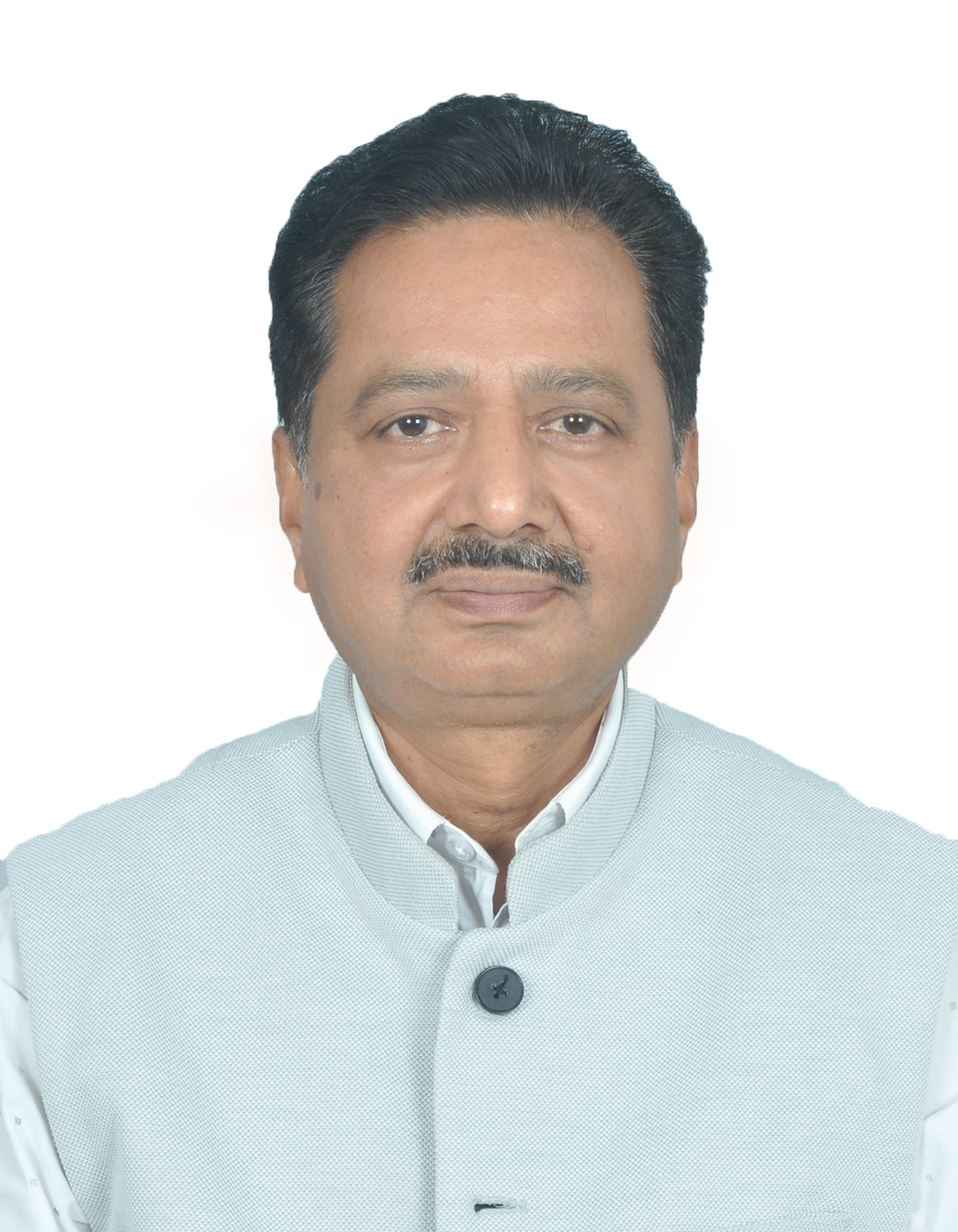
Associate Professor-Department of Political Science
BBMK University & Principal RS More College Govindpur, Dhanbad, Jharkhand
The international system of the third decade of the twenty-first century has not succeeded in addressing a series of interconnected challenges.Geopolitical competition, energy security, economic inequality, Climate change, food insecurity, Supply-chain crisis, and military conflict. The ongoing military conflict that started in 1947 offers an interesting case study to analyze the interconnected nature of these global challenges. The conflict was not just a military conflict between two states.,regional security of West Asia, Global energy markets, maritime trade, and fertilizer supply, Food prices, It became a crisis with wide-ranging impacts on financial stability and the Sustainable Development Goals. The conflict severely disrupted shipping in the Strait of Hormuz. United Nations Conference on Trade and Development (UNCTAD)United Nations Conference on Trade and Development (UNCTAD)– UNCTAD The International Monetary Fund reported that nearly 25% of worldwide seaborne oil trade and a considerable quantity ofLNGand fertilizer trade is moved via theHormuz Strait, and disruption of that has led to increased prices of energy, transportation, insurance, and food United Nations Department of Economic and Social Affairs (UN DESA)read theAugust2026 report that the conflict had disrupted global trade and development finance severely, placing much more stress on developing countries. Why It Matters for India is highly dependent on energy security., west Asia for Indian diaspora, maritime trade, irrigation, Fertilizer availability across the global South, India is a mediator in the conflict.,Diplomatic intervention, Protection of Indian citizens, Freedom of maritime navigation and the freedom of international waters,6 2026 India called for the de-escalation of conflict and a focus on dialogue and diplomacy.1960s-1970s Engagement in regional institutions such as BRICS and SCO. Maintained the importance of peace and stability through the UN and bilateral diplomacy. The paper investigates the interconnectedness of US and Iran with sustainable development. The paper also critically studies India's peace diplomacy. The paper finds that peace in contemporary geo-political conflicts is not just the ending of war; it is a state in which not only death and destruction are absent, but where energy, Food, Business, finance, Environment, Ensuring human security and continuity of development.
KEYWORDS
US-Iran War2026The energy market made it clear that in the current world order, war in one region can affect development globally.,maritime trade,Food Security,Financial systems and supply chains are so interconnected that a regional military conflict can impact the pace of global sustainable development. UN DESAAccording to the assessment of2026The Middle East conflict further exacerbates the development finance vulnerabilities of developing countries and2030 Agendarisks reversing progress.India's role is crucial in this context. India has prioritized dialogue and diplomacy.,Protection of citizens,August and September2026The continuation of India-Iran high-level dialogue in 2015 is also indicative of this policy. Yet, it would be unfair to exaggerate India's peace initiatives as a mediating or decisive force for conflict resolution. India's true role is that of a dialogue facilitator.,Active participant in multilateral forums,Voice and strategically autonomous power of the global Southappears more clearly as .september2026The conflict situation has not yet fully stabilized. During the UN General Assembly, reports emerged of talks between the US and Iran through mediators and a possible phased agreement on reopening the Strait of Hormuz. Therefore, it is more appropriate to understand the current situation as a transitional stage between conflict and diplomacy rather than a final peace. Ultimately, the most important conclusion of this study is that sustainable development and global peace are complementary. If war destroys energy and food security,Weakens development finance and sets back climate goals,So peace cannot be understood simply as a ceasefire. Real peace is a situation in which civilians are safe.,open trade routes,Stabilize energy and food supplies,Finance should be available for development and disputes between countries should be resolved through dialogue and international law.For India, this is the area where its strategic autonomy,The role of multilateral diplomacy and leadership from the global South may become even more important in the future.
1. United Nations Department of Economic and Social Affairs (UN DESA), *Impact of the Conflict in the Middle East on Development Financing*, Policy Brief No. 193, 27 August 2026. 2. United Nations Trade and Development (UNCTAD), *Strait of Hormuz Disruptions: Implications for Global Trade and Development*, 10 March 2026. 3. United Nations Trade and Development (UNCTAD), *Strait of Hormuz Disruptions: Beyond Reopening – Lasting Impacts on Vulnerable Economies*, 30 June 2026. 4. International Energy Agency (IEA), *Sheltering From Oil Shocks*, 2026. 5. International Energy Agency (IEA), *Gas Market Report – Q2 2026*, 2026. 6. World Bank, *Middle East, North Africa, Afghanistan & Pakistan Economic Update – April 2026*. 7. World Bank, *Commodity Markets Outlook – April 2026*, 2026. 8. United Nations, *Sustainable Development Goals Report 2026 – Goal 16: Peace, Justice and Strong Institutions*. 9. Government of India, Ministry of External Affairs/Press Information Bureau, *Statement on Ongoing Conflict in the West Asia Region*, 3 March 2026. 10. Government of India, Prime Minister's Office, *PM Chairs CCS Meeting to Review the Situation and Mitigating Measures in the Context of Ongoing West Asia Conflict*, 22 March 2026.
Publication Date
10/7/2026
Peer Review Type
Double-Blind Peer Review
Review Rounds: 2
Documents
Article Views
6
Total views since publication
PDF Downloads
13
Total downloads since publication
Geographic Reach
5












Digital Preservation: This article is permanently archived on Zenodo and complies with all data preservation standards across major indexing platforms.
Plagiarism Screening
This manuscript has been checked for plagiarism using TurnitinPlagiarismChecker software.
Conflict of Interest
The authors declare no conflict of interest related to this research work.
Funding Information
No funding information available for this research.
Related research in the same subject area
Loading similar articles...