




Loading article...
Loading article...
Stream/Area:
-
Subject:
-
Paper ID:
IJSREM64272
Volume:
10 |
5 |
May 2026
Pages:
1-12
Publication Frequency:
Monthly (12 issues per year)

License:International Journal of Scientific Research in Engineering and Management follows the Creative Commons Attribution 4.0 (CC BY 4.0) License, allowing free use and distribution with proper attribution.
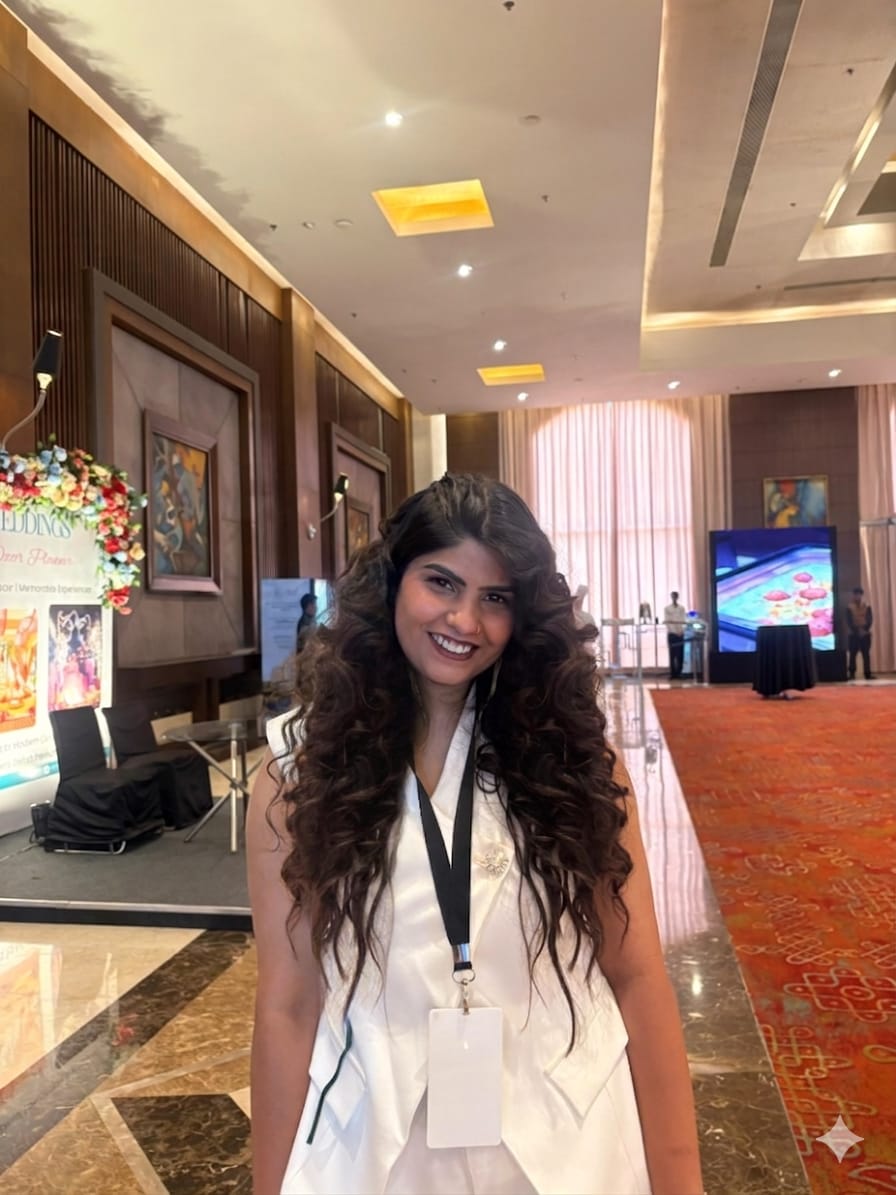
Fashion Design
SAGE University Bhopal
Fashion Design
SAGE University Bhopal
Fashion Design
SAGE University Bhopal
‘Thread of Empowerment: Interweaving Legacy, Identity and Modern Womanhood’ investigates how women today are redefining what tradition means to them in their lives. Instead of cultural values and customs being a source of limitation, this study shows how they can be harnessed for strength, identity and self-expression. Central to this scholarship is the premise that legacy is not just something inherited, but something continuously shaped and reinterpreted. Women today are no longer passive disciples of tradition; they actively involve themselves with it and in the process align it with their own interests, feelings and individuality. Apparel, and in particular traditional and bridalwear, is integral to this process as it reframes clothing as an expressive, aspirational resource in which women can explore who they are, where they come from and how they want to present themselves. The bridal occasion long considered one of the most significant stages of a woman’s life is examined as a place where culture, emotion and identity intertwine. Women strike and establish the right balance in design and styling between tradition and modernity by creating expressions that are as much rooted as they are personal. This work is even more inspired by a line of design pieces that celebrates women’s happiness, self-assuredness, and grace. It shows how fashion can express stories, stories of growth, of resilience, of self and self-belief. The research concludes that empowerment, as an attitude, does not require that we get rid of tradition, but rather embrace and transform it into something meaningful to ourselves, to reflect a contemporary self, which is what the study calls womanhood.
KEYWORDS
The ongoing evolution of women and their empowerment in cultural legacy and, even more so, in fashion is illustrated by the research that highlights the influence of bridal wear. Today one cannot be empowered with tradition alone it is essential to liberate the modern self to reinterpret and redefine tradition. Although cultural legacy remains deeply influential within women’s identity, contemporary women aren’t passive recipients of these traditions. They embrace themselves instead: merging cultural values and personal priorities. The combined results of the secondary research, visual analysis, and questionnaire responses present that fashion itself is an influential instrument of self-identification. Bridal dress in particular embodies a proper mix of tradition and personal style. And there are more and more women who opt for designs that represent personality, emotions, identity, and still respect their cultural roots. This evolution offers an example of how fashion can be a bridge between heritage and modernity. But the research also recognizes that societal and family preferences continue to shape women’s decisions, particularly about important life events, such as marriage. That seems to suggest empowerment has come a long way, but that the whole road to full empowerment is still to go. Modern women, though, continue to embrace individuality through deliberate fashion choices. As noted, the “Driven by Legacy” concept is not that of being restricted by tradition but one guided by it. Women now convert cultural heritage into empowerment, self-confidence and self-expression. Through fashion and particularly bridal wear they are narrating a new story of empowerment and legacy; to find it’s intertwined with their roots and growing selves.
1. Asobayire, J., Aboagyewaa-Ntiri, J., & Saana, A. (2025). Integrating identity into professional fashion: Cultural representation and garment innovation among career women in Bolgatanga, Ghana. Advances in Social Sciences Research Journal. Link: https://www.researchgate.net/publication/397269899 2. Krim, S. (2023). The Role of Luxury Fashion Brands in Women Empowerment: A Historical Perspective and Proposal for Modelling Contemporary Modes of Participation. International Marketing Trends Conference. Link: https://www.researchgate.net/publication/368687380 3. Min, S., Ceballos, L. M., & Yurchisin, J. (2018). Role Power Dynamics within the Bridal Gown Selection Process. Fashion and Textiles, 5(17). Link: https://fashionandtextiles.springeropen.com/articles/10.1186/s40691-018-0132-6 4. Dull, A. (2025). Threads of Identity: How Fashion Shapes Cultural Narratives in Contemporary Society. Indian Journal of Fashion Technology. Link: https://ijft.darpanonline.org/index.php/ijft/article/view/11 5. Kaur, R., & Tiwari, V. (2025). Reviving Heritage: The Brand Culture of Indian Wear in Contemporary India. Journal of Information Systems Engineering and Management. Link: https://jisem-journal.com/index.php/journal/article/view/8394 6. Chattaraj, J. (2023). Are You a Designer Bride? Power Relations Between Popular Media and the Indian Bride. Southeast Asian Review of English, 60(2). Link: https://www.researchgate.net/publication/377273951 7. Kushwah, M., & Roy, R. (2025). Women, Craft, and Empowerment: The Role of Bead and Zari Jewelry Making in the Bhil Community. Advances in Consumer Research. Link: https://acr-journal.com/article/women-craft-and-empowerment 8. Nasreen, S. (2025). Fashion and Feminism: Role of Clothing in Shaping Feminist Discourses and Identities. Wah Academia Journal of Social Sciences. Link: https://acr-journal.com/article/women-craft-and-empowerment 9. Entwistle, J. (2015). The Fashioned Body: Fashion, Dress, and Modern Social Theory. Polity Press. 10. Crane, D. (2000). Fashion and Its Social Agendas: Class, Gender, and Identity in Clothing. University of Chicago Press.
Publication Date
5/30/2026
Peer Review Type
Double-Blind Peer Review
Review Rounds: 2
Documents
Article Views
0
Total views since publication
PDF Downloads
3
Total downloads since publication
Geographic Reach
5












Digital Preservation: This article is permanently archived on Zenodo and complies with all data preservation standards across major indexing platforms.
Plagiarism Screening
This manuscript has been checked for plagiarism using TurnitinPlagiarismChecker software.
Conflict of Interest
The authors declare no conflict of interest related to this research work.
Funding Information
No funding information available for this research.
Related research in the same subject area
Loading similar articles...